

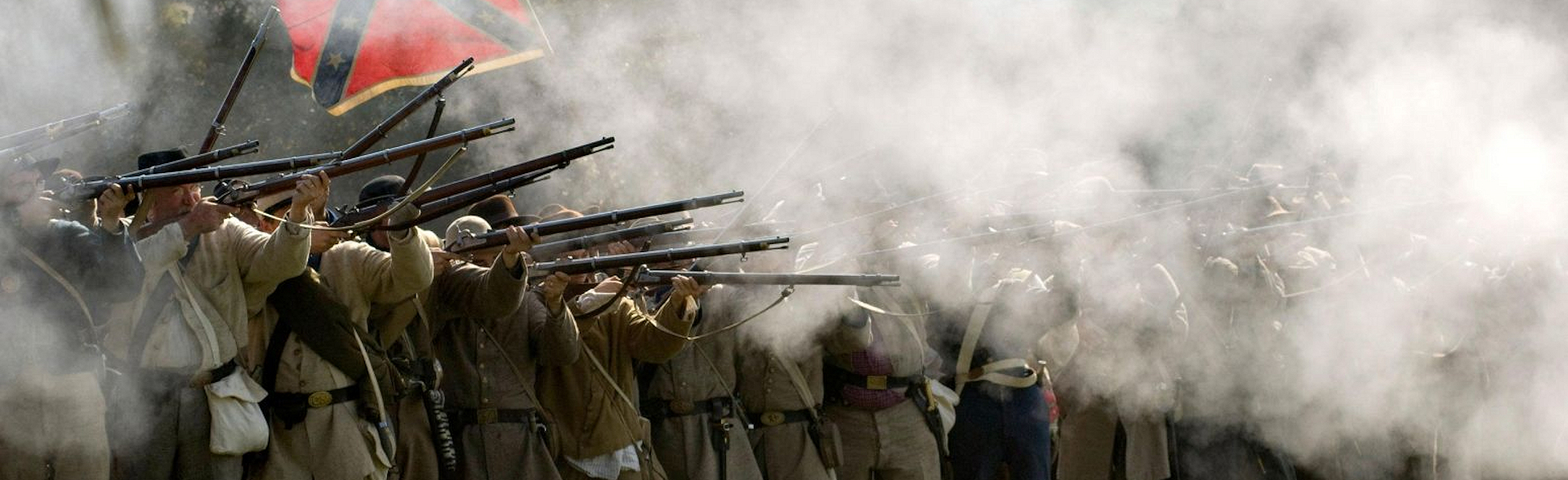
History
History always has an adventure to explore from the Battle of Camp Wildcat original trenches. Hike the trail blazed by Daniel Boone of 1775 that intersects with the Wilderness Road. No other road is of greater historical significance to the founding of Kentucky. Visit the site of the worst recorded defeat of settlers by Native Americans in Kentucky. Purchase cornmill from McHargue’s Mill that was built in 1939 by the Civilian Conservation Corps. featuring a working water powered grist mill and one of the largest collections of millstones in the world. Visit the Mountain Life Museum displaying pioneer relics and the location where The Kentuckian was filmed in 1955 featuring Burt Lancaster.
Battle Camp Wildcat
Battle of Camp Wildcat Mountain
Though the armies have long since disappeared, many of their trenches remain as reminders of what happened on that October day. If you visit the battlefield and stand quietly behind the trenches you may feel your heart begin to pound just like the soldiers’ hearts pounded in 1861.
The battlefield looks much different from the etchings made in 1861. Most of it has been logged-over several times. A few trails lead to the faint outlines of old trenches that remain.
The remoteness of location of this battle makes it unique, because you can still see these trenches. Battlefield sites located in gentler terrain were farmed over and developed, destroying signs of the battle.
Camp Wildcat Reenactment
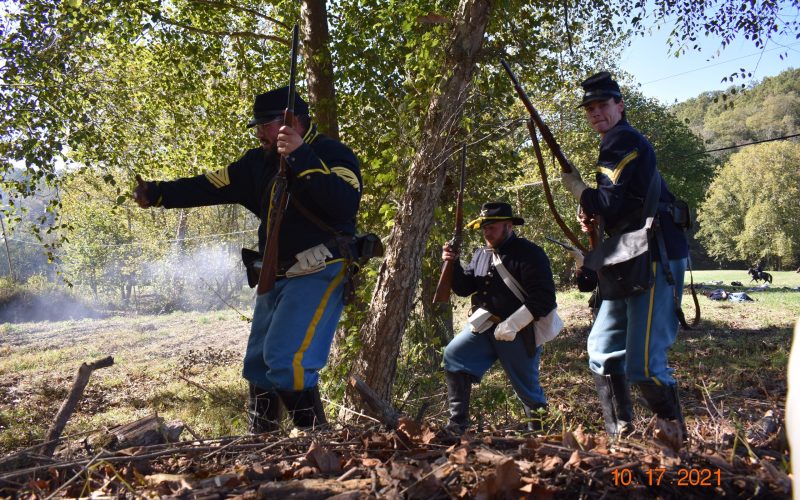
Battle of Camp Wildcat
The Battle of Camp Wildcat is an annual Civil War Reenactment the 3rd Weekend of October every year at the base of Wildcat Mountain in Hazel Patch, Kentucky.
Cannon roar, Horses charge, and Bayonets thrust as Tennessee Confederates attack the Union base camp known as Camp Wildcat.
The Laurel Home Guards is a volunteer Non-Profit 501(3)c organization for the purpose of historical education. Our officers and members are dedicated to the representation of the 1860’s events and lifestyles of Laurel County, Kentucky.
Boone’s Trace Trail
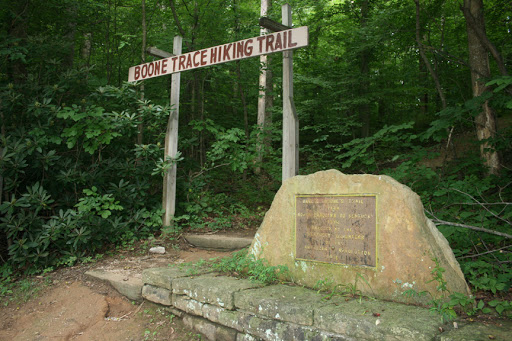
Boone’s Trace Trail
The historic Wilderness Road was the main route used by settlers for more than 50 years to reach Kentucky from Virginia. In 1775, Daniel Boone blazed a trail for the Transylvania Company from Fort Chiswell in Virginia through the Cumberland Gap into Kentucky. It was later lengthened, following Native American trails, to the Falls of the Ohio at Louisville. The Wilderness Road was rough and steep. In the early days of the trail, it could only be traveled on foot or horseback. As more travelers passed, the road improved and horse-drawn wagons were able to follow the trail.
The park is crossed by portions of the Wilderness Road and Boone’s Trace, another pioneer trail blazed by Daniel Boone. It is still open today to hiking while the Wilderness Road has since been paved as part of Kentucky Route 229.
Mountain Life Museum
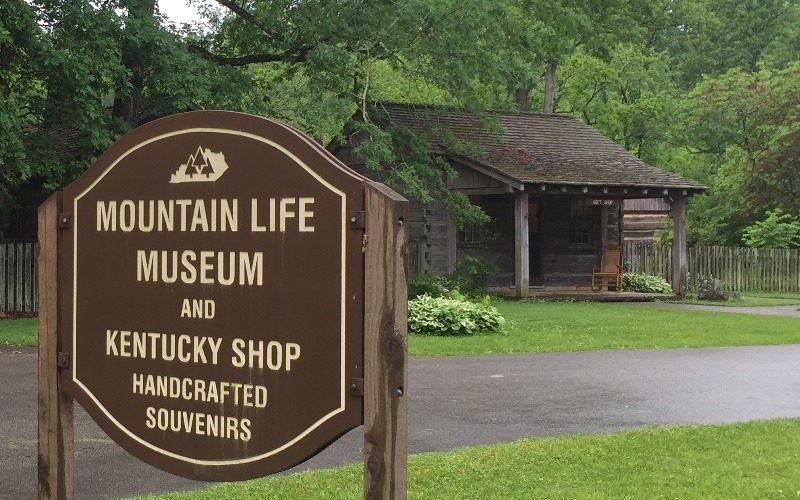
Mountain Life Museum
The Mountain Life Museum is a Levi Jackson Wilderness Park attraction that brings visitors into a pioneer settlement. Buildings in the settlement were moved from other sites or built as replicas on the park. All buildings are filled with lots of pioneer relics including tools, products of agriculture and household implements. The museum consists of 7 buildings – an excellent attraction to visitors of Levi Jackson Wilderness Road Park. The Mountain Life Museum now houses craft items from local artists while offering a glimpse into Kentucky’s pioneer heritage.
McHargue’s Mill
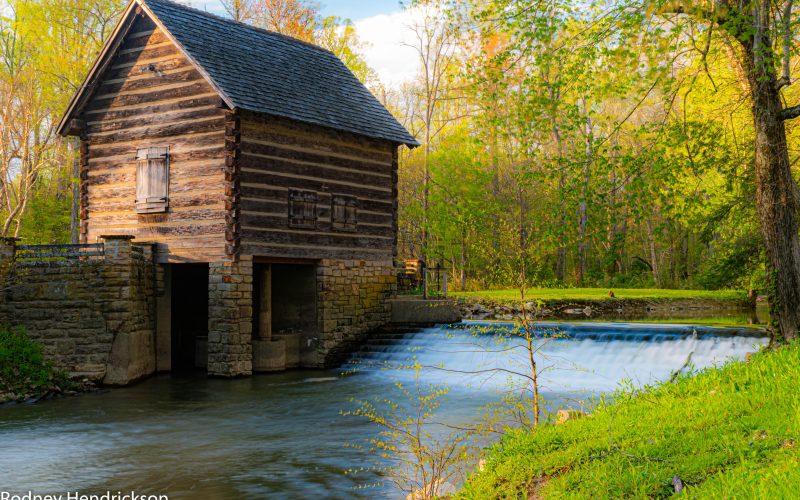
McHarugue’s Mill
McHargue’s Mill is a reproduction working watermill with authentic interior works. It was built on the banks of the Little Laurel River by the Civilian Conservation Corps in 1939.
Millstone Collection
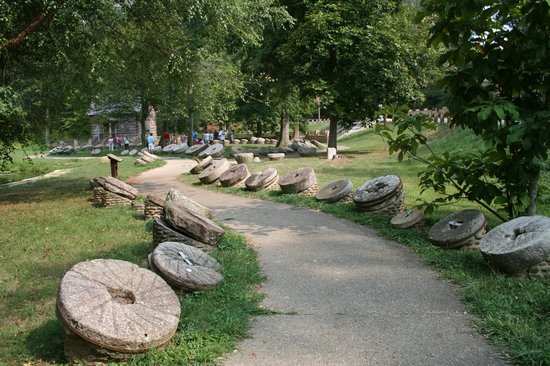
Millstone Collection
Outside the McHargue’s Mill is a largest display of millstones outside the Smithsonian. The working stones in the mill were brought over the Wilderness Road in 1805.
Levi Jackson Family Cemetary
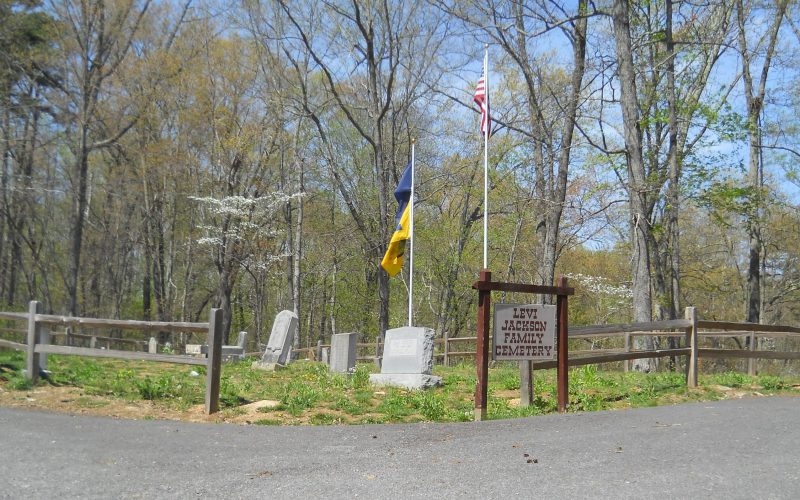
Levi Jackson’s family donated 307 acres to the state of Kentucky to develop a state park. It is now operated by the City of London. Levi Jackson Family Cemetery is situated on a hilltop from Route 229 on the Old Wilderness Road. The paved driveway up the hill ends at the cemetery. It is opposite the entrance to the Levi Jackson Wilderness Road Park. The Freeman family cemetery is just below the Jackson cemetery on the same side of the road.
Levi Jackson Family Cemetery
Historic Tree Stump
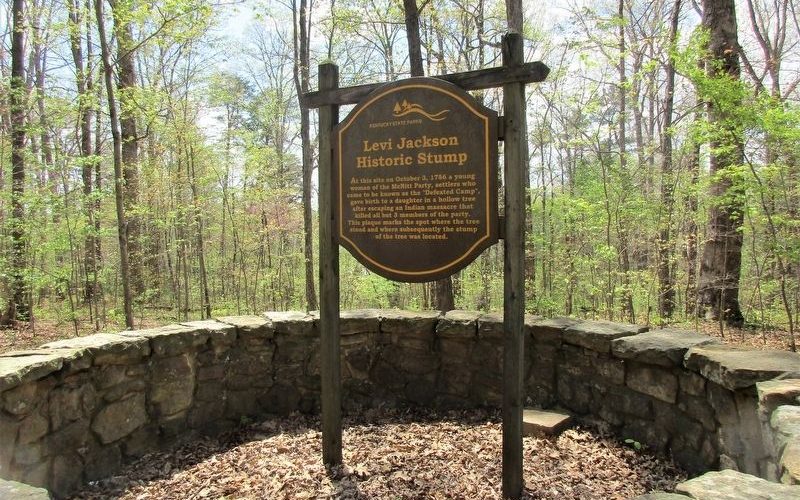
At this site on October 3, 1786 a young woman of the McNitt Party, settlers who came to be known as the “Defeated Camp”, gave birth to a daughter in a hollow tree after escaping an Indian massacre that killed all but 3 members of their party. This plaque marks the spot where the tree stood and where subsequently the stump of the tree was located.
History Museum Genealogy Center
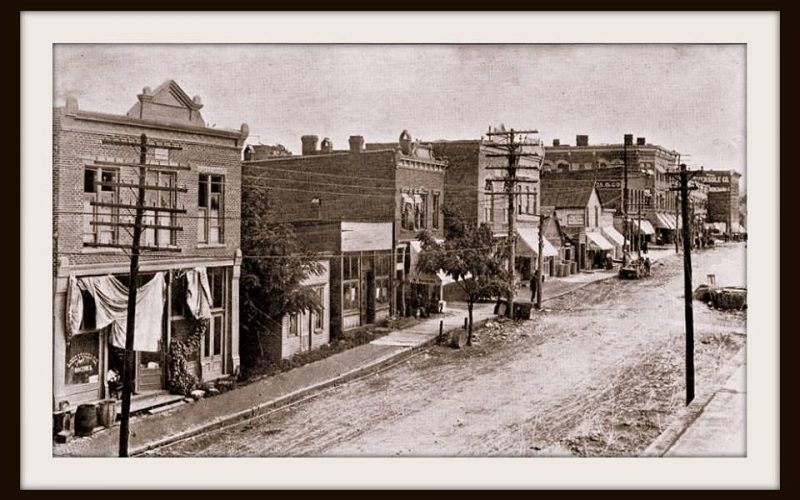
The Laurel County History Museum and Genealogy Center, Inc. is a 501(c)3 nonprofit organization housed in a renovated 8,000 square foot facility.
The Center is dedicated to historic preservation and history education of Laurel County through research, education and exhibits. The Center strives to make sure that Laurel County and the rest of the world remembers our history from the time before the Wilderness Road was established through today. We want to honor the people who fought in our wars, who settled the area, who became famous, and those who have made a difference in the area simply by living here.